

Last Updated 3 weeks ago
You may be aware that October is National Breast Cancer Awareness Month. However, fewer people realize that before October, is September: National Ovarian Cancer Awareness Month. More than 15,000 women will die from ovarian cancer this year, slightly less than half the number who will die from breast cancer (about 39,000). The prevalence of all forms of cancers reminds me to remind my readers of the importance of Incapacity Planning and Asset Protection Planning. November observances for family caregivers provide an opportunity to recognize and appreciate the invaluable contributions of those who care for loved ones. These observances encourage communities to offer support and resources to alleviate the challenges faced by family caregivers. By promoting awareness and understanding, we can foster a more compassionate environment that values the dedication of these individuals.
According to HealthNews.com citing the American Cancer Society, “every year almost 22,000 American women are diagnosed with ovarian cancer and more than 15,000 die from the disease.” According to government statistics, 207,090 women are diagnosed [with breast cancer annually] . . . and 39,840 die [from the disease].
Ovarian cancer affects women in their middle-to-later years. 9 out of 10 women who get ovarian cancer are over the age of 40, and the greatest numbers of ovarian cancers are discovered in women aged 60 years or older, according to the Centers for Disease Control and Prevention.
Asset Protection Planning and Incapacity Planning are the vital legal services where an Elder Law attorney guides the individual (or couple) through the complex Medicaid qualification, application, and approval processes. It may be necessary to employ a complex set of asset protection strategies, saving hundreds of thousands of dollars in many cases.
Proper planning can protect the assets from nursing home creditors, allowing Americans from all walks of life to legally and ethically qualify for Medicaid and Veterans Benefits, passing on an inheritance if they so choose, and enjoy the standard of living and quality of life they prefer. Planning for major life events is crucial, and understanding medicare coverage for family events can significantly ease the financial burden during such times. Families should take the time to explore the available options that can aid in navigating this complex system. By ensuring they are educated and prepared, they can focus more on creating lasting memories instead of worrying about unexpected expenses.
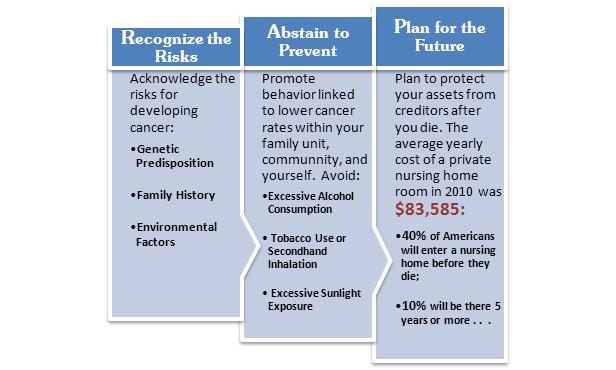
This September and October, remember the acronym, “RAP:” Recognize the risks, including your family history; Abstain from cancer-causing behavior like smoking and chronic inactivity; and Plan for the future, regardless of your current state of health.
More ovarian cancer articles you may be interested in:
Breakthrough in Ovarian Cancer Research Brings Hope
Do all contraceptives lower ovarian cancer risk?
National Ovarian Cancer Coalition
Advance Care Plan Explained
