

Last Updated 2 months ago
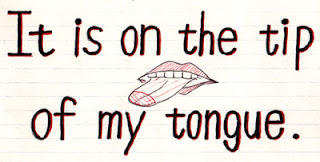 Jane is in her 60’s and has been having many “stuck on the tip of your tongue” moments with names and faces lately. She used to be really good with recalling these things and sometimes worries she is beginning to experience early signs of dementia.
Luckily for Jane and many others who have had the same experiences, researchers found that tip-of-the-tongue moments become more common as people age, and are not related to worsening memory overall. Memory enhancement techniques for seniors can play a significant role in alleviating these frustrating moments. Engaging in activities such as puzzles and memory games has been shown to improve cognitive function. Additionally, maintaining social connections and participating in stimulating conversations can further support mental sharpness in older adults. What dementia feels like for families can be overwhelming, as loved ones navigate the changes and challenges associated with the condition. It often involves emotional distress, confusion, and a sense of loss as family members cope with their loved one’s declining health. Understanding these feelings is crucial for developing support systems that can make a significant difference in the caregiving experience.
In a recent study at the University of Virginia, consisting of 718 adults between the ages of 18 and 99, each participant was put through a number of tests to gauge memory, including identifying famous people in photographs and words from their descriptions. Participants were then able to choose from multiple answers if they couldn’t name the person in the picture or the word described by the definition or description, but said they knew the answer. If they were right, it was marked as a tip-of-the-tongue experience.
When compiling results, the researchers adjusted the numbers to account for the fact that older people are more knowledgeable, and therefore have more opportunities to have tip-of-the-tongue experiences. Then, they took into account how people scored on a test of episodic memory, which is memory of events in a person’s own life. It’s also the type of memory that’s often tested to check for dementia. The findings were that declining episodic memory did not seem to explain the increase in tip-of-the-tongue experiences as people aged. Supporting families through Alzheimer’s transitions is essential for creating a supportive environment. Understanding the changes that come with the disease can ease the burden for caregivers. By providing resources and education, families can better navigate the challenges they face together.
According to Timothy Salthouse, the study’s lead author and Brown-Forman Professor of Psychology at the University of Virginia in Charlottesville, “Even though the tip-of-the-tongue experiences are more common as you get older and they’re very frustrating … they don’t seem to be a sign that you’re having memory problems associated with impending dementia.” He cautioned, however, that the study can’t say these lapses aren’t concerning, because the researchers only looked at one type of memory. And their participants were still relatively vibrant. Bilingualism effects on dementia symptoms have been a topic of interest in recent research. Studies suggest that individuals who are bilingual may experience a delayed onset of dementia symptoms compared to monolingual individuals. This could imply that language skills act as a protective factor, promoting cognitive resilience in later life.
Based on these findings, he said, tip-of-the-tongue moments “may not be a sign that you’re on the cusp of very dramatic memory decline.” However, memory loss that disrupts daily life may be a symptom of Alzheimer’s or another dementia. Alzheimer’s is a brain disease that causes a slow decline in memory, thinking and reasoning skills. There are 10 warning signs and symptoms. Every individual may experience one or more of these signs in different degrees. If you notice any of them, please see a doctor.
Do you have a loved one who is suffering from dementia? Persons with dementia and their families face special legal and financial needs. At The Fairfax and Fredericksburg Alzheimer’s Planning Law Firm of Evan H. Farr, P.C., we are dedicated to easing the financial and emotional burden on those suffering from dementia and their loved ones. If you have a loved one who is suffering from dementia, we can help you prepare for your future financial and long-term care needs. We help protect the family’s hard-earned assets while maintaining your loved one’s comfort, dignity, and quality of life by ensuring eligibility for critical government benefits. Call 703-691-1888 to make an appointment for a consultation.
